

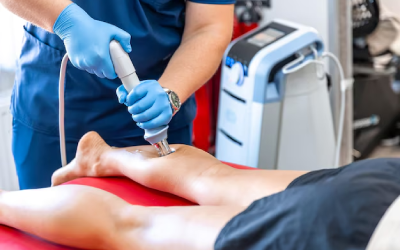

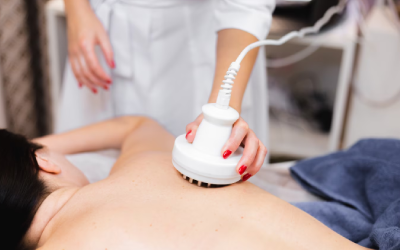

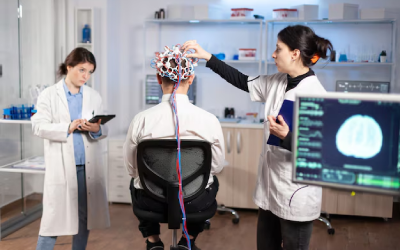





There is minimal downtime associated with treatment. As a result, you can resume your daily routine as soon as you leave your specialist’s office.


An experienced healthcare provider at Painmed administers Botox injections. By relaxing wrinkle-causing muscles, Botox injections improve appearance. The main benefit of Botox injections is that they reduce the appearance of facial wrinkles. Additionally, they are used to treat conditions such as neck spasms (cervical dystonia), excessive sweating (hyperhidrosis), an overactive bladder, and lazy eyes. Botox injections can also prevent chronic migraines.
To temporarily prevent muscles from moving, Botox injections use a toxin called onobotulinumtoxinA. Botulism, a type of food poisoning, is caused by a microbe that produces this toxin.
The first drug to use botulinum toxin is Botox. AbotulinumtoxinA (Dysport), rimabotulinumtoxinB (Myobloc) and incobotulinumtoxinA (Xeomin) are currently available. They aren’t interchangeable because they differ in dosage units, particularly.
Injections of Botox block certain chemical signals from nerves, mainly those that cause muscles to contract. In most cases, these injections are used to temporarily relax the facial muscles that are responsible for causing wrinkles around the eyes and on the forehead. Injections of Botox can also treat conditions that affect the body’s functions. Here are some examples:


When administered by an experienced doctor, Botox injections are relatively safe. The following are possible side effects and complications:
It is possible for the toxin in the injection to spread throughout your body, although it is very unlikely. Immediately contact your doctor if you notice any of these effects after receiving Botox:
If you’re pregnant or breastfeeding, doctors generally recommend against using Botox. People with cow’s milk protein allergies should not use Botox.
Make sure you choose your doctor wisely
Only a doctor can administer Botox. To avoid side effects, injections must be placed precisely. If botox therapy is administered incorrectly, it can be dangerous. Obtain a referral from your primary care doctor or find a doctor who specializes in your condition and has experience administering Botox.
An experienced and properly certified doctor can help you determine if Botox injections in Sydney are right for you, as well as advise you on the procedure.
Please tell your doctor if you have had Botox injections within the past four months. If you take muscle relaxants, sleeping aids, or allergy medications, tell your doctor. To reduce the risk of bleeding or bruising, you may need to stop taking blood thinners several days before your injection.
Here’s what to expect
Pre-procedure
During the procedure, most people don’t feel much discomfort. If your palms or soles are being treated for excessive sweating, you may want your skin numbed beforehand. Various methods are available to numb the area, such as topical anesthesia, ice, and vibration anesthesia, which uses massage to reduce discomfort.
In the course of the procedure
Most Botox injections are performed in a doctor’s office. Botulinum toxin is injected into your skin or muscles with a thin needle. It depends on many factors, including the extent of the treatment area, and how many injections are needed.
Following the procedure
For 24 hours, do not rub or massage the treated areas. Toxins may be prevented from spreading if this is done. After the procedure, you can resume your normal activities.
As a result
One to three days after treatment, Botox injections usually begin working. Depending on the problem being treated, the effect may last for three months or longer. Regular follow-up injections are required to maintain the effect.

Frown lines, crow’s feet, and forehead lines are caused by repeated muscle contractions from frowning, squinting, smiling, and raising the eyebrows over time. Botox Cosmetic will be injected into these muscles to temporarily reduce muscle activity. You will notice that your frown lines between your brows, your crow’s feet lines, and your forehead lines will temporarily look better.
No, not at all! A lot of men use Botox Cosmetic to maintain their appearance. In the past three years alone, over one million men have received botulinum toxin treatments, such as Botox Cosmetic. Most men say they want to look good and are bothered by the changes they see in the mirror. Most people would choose to treat their crow’s feet first, followed by 74% for their forehead lines, and 60% for their frown lines.
Discount products or “cheap” Botox Cosmetic should be avoided – if it sounds too good to be true, it probably is. The cost of Botox Cosmetic includes not only the product itself but also the skill and expertise of the healthcare professional administering the procedure.
In order to determine the appropriate treatment areas for you, your specialist will discuss your treatment goals with you and perform a facial analysis. The injection may be performed on the same day if the HCP deems you an appropriate candidate. Botox Cosmetic injections can feel like a pinch to some patients. To numb the treatment area, your specialist may use ice. Before administering your treatment, your specialist may apply a topical numbing cream if you are concerned about discomfort.
There is minimal downtime associated with treatment. As a result, you can resume your daily routine as soon as you leave your specialist’s office.
There is minimal downtime associated with treatment. As a result, you can resume your daily routine as soon as you leave your specialist’s office.

©2026 PainMed. All Rights Reserved. Built by Clickmatix – Digital Marketing & Web Experts
Originally from England, Sally graduated from St George’s Hospital, University of London in 2004 with a BSc (First Class Hons) in Physiotherapy. Since settling in Australia, Sally has worked in private practice and in the public hospital setting across Sydney.
Sally gained a Masters in Medicine Pain Management from the University of Sydney in 2019 and is a Titled Pain Physiotherapist (as awarded by the Australian Physiotherapy Association).
In addition to private practice, Sally currently works as a Senior Physiotherapist at Westmead Hospital Pain Management Service.
Sally is highly skilled in assessing, diagnosing and treating people who experience chronic pain. She enjoys working with injured workers and CTP claimants. She has a deep understanding of the impact of pain on the whole person and on their functioning in daily life. In partnership with her colleagues, Sally enjoys applying her knowledge and clinical skills to provide a safe space for exploration of the physical and emotional meaning of pain and for recovery of function.
Qualifications and Experience
Dr. Adam is a Fellowship-trained Pain Medicine Specialist with a Fellowship from the Faculty of Pain Medicine (FFPMANZCA) and a Master of Pain Medicine from the University of Sydney. He is dedicated to the comprehensive management of chronic pain across all age groups.
Dr. Adam trained in adult pain medicine at Liverpool Hospital, Nepean Hospital, and the Department of Pain Medicine, and completed additional training in paediatric chronic pain at The Children’s Hospital at Westmead. He currently serves as a Staff Specialist at Westmead and St George Public Hospitals (NSW Health), and is a Visiting Medical Officer (VMO) at Liverpool Public Hospital, St George Private, Sydney Southwest Private, Holroyd Private, Norwest Private, and Nepean Private Hospitals.
He adopts a whole-person, multidisciplinary approach rooted in the socio-psycho-biomedical model, utilising both pharmacologic and interventional techniques. These include:
Dr. Adam is an Authorised Prescriber of Medicinal Cannabis and holds a Diploma in Medicinal Cannabis. He is also certified in Opioid Treatment Programs, including Methadone. His areas of interest include opioid dependence management, medicinal cannabis, and interventional pain procedures.
He also completed advanced training in Virtual Reality Therapy for chronic pain and mental health disorders in Barcelona, Spain, and has further qualifications in Focused Psychological Strategies, Cognitive Behavioural Therapy (CBT), and Clinical Hypnosis.
Qualifications: