What are Thoracic facet joints?

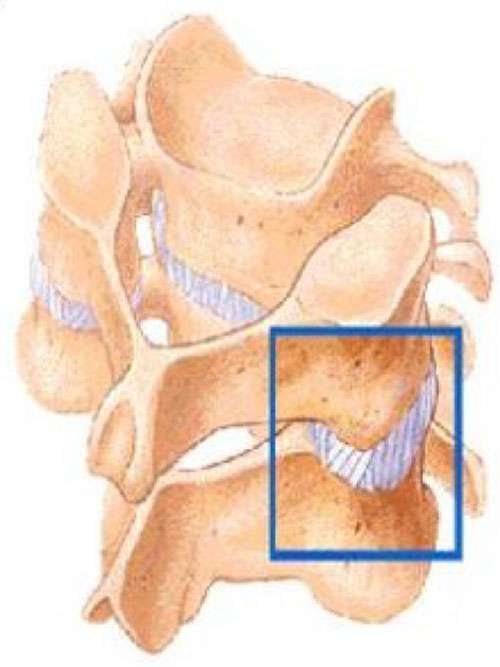
Facet joints (also called zygapophyseal joints) are small joints of the spine that provide stability and help guide motion. They are found in the neck (thoracic), upper back (thoracic) and lower back (thoracic). They can become painful as a result of arthritis, injury or mechanical stress. Two nerves called “medial branches” supply each facet joint. These nerves carry pain signals to the spinal cord and these signals will eventually reach the brain. The proportion of patients who are affected by facet related pain increased with age and can be as high as 45% in patient population with spinal pain.

What is a Thoracic Medial Branch Block procedure?


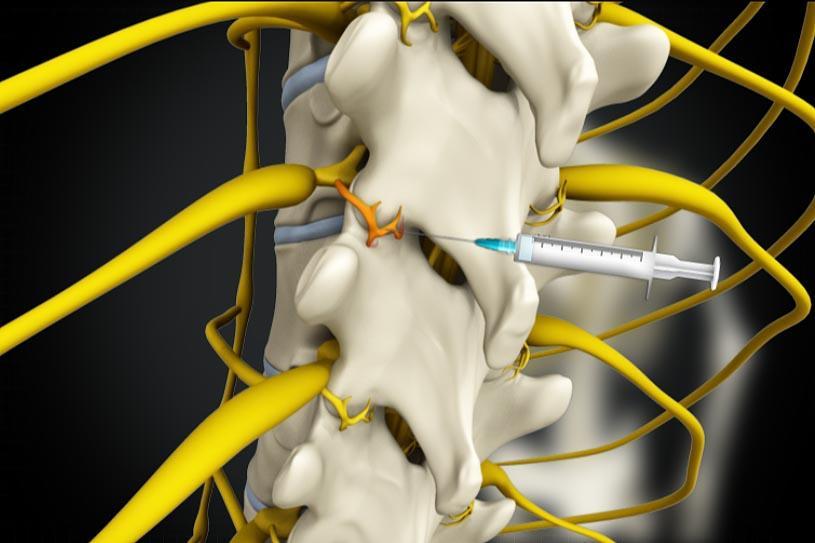
The facet joints and/or Thoracic medial branch nerves can be injected with a local anaesthetic and/or steroid.

There are two reasons for doing this:

  1. Diagnosis:If the local anaesthetic in the injection relieves your pain then it suggests that the Thoracic facet joints are a source of your pain. Repeating the procedure, a second time improves accuracy of the diagnosis. This can guide future treatment such as “radio frequency lesioning” of Thoracic medial branch nerves. There is strong scientific evidence to support this.

Therapy:The steroid in the injection can reduce inflammation, reduce Thoracic medial branch nerve sensitivity and provide long lasting pain relief. The duration of pain relief may h blocks are diagnostic injections utilized to assess the contribution of the facet joints to the patient’s spinal pain.

What happens during the procedure?

The procedure is performed in the operation theatre. You will be sedated and local anaesthesia will be used to numb your skin. The doctor will then insert a small needle near the Thoracic medial branch nerve. Fluoroscopy, a type of x-ray, will be used to ensure the safe and proper position of the needle. Once the doctor is sure the needle is correctly placed, the medicine is injected.

Doctor administering therapeutic injection for nerve pain treatment
biopsy

Diagnostic Injections

Pain specialist performing radiofrequency ablation treatment on patient's knee
heart-rate

Pulsed Radio Frequency

Physiotherapy ultrasound therapy being applied to patient's knee for pain management
signal

Radio Frequency

Pain specialist team reviewing brain scan results during neurological pain assessment
brain

Neuromodulation

Electrode pads placed on patient’s upper back for pain relief therapy
painmed

Regenerative Therapy

Patients sitting in a clinic waiting area during a pain management consultation visit
ribbon

Cancer Related Procedures

What happens after the procedure?

You will be monitored for up to monitored closely in the recovery room for 30 minutes after the injection. When you are ready to leave, the staff will give you discharge instructions. You will need to keep a pain diary. It is important to maintain a diary to help the doctor ascertain the success of the diagnostic injection. You may feel immediate pain relief and numbness in your back for a limited period of time after the injection which is the local anaesthetic effect and an indication that the right areas were targeted.

How long can I expect pain relief?

The Thoracic medial branch block is a diagnostic procedure like any other medical imaging modality e.g. X-ray, MRI scans. The expectation is that you have short-term good quality pain reduction. If that is the case you maybe a suitable candidate for radiofrequency ablation (RFA) of the thoracic medial branch nerve. This procedure provides a more sustained disruption of pain signals and often prolonged pain relief.

How do I prepare for the procedure?

Please advise staff if you are:

  1. Taking blood thinners (especially warfarin and clopidogrel)
  2. Diabetic
  3. Pregnant (or any chance of you being pregnant).
  4. Allergic to iodine, betadine, shellfish, local anaesthetics, or steroids.
  5. Unwell (especially if you have an infection)


Staff may advise you to:

  1. Fast
  2. Take your usual medications (apart from those mentioned above)
  3. Arrange for someone to accompany you home

Get In Touch


    What is 8 + 3 ? Refresh icon

    Dr. Sally Wride

    Originally from England, Sally graduated from St George’s Hospital, University of London in 2004 with a BSc (First Class Hons) in Physiotherapy. Since settling in Australia, Sally has worked in private practice and in the public hospital setting across Sydney.

    Sally gained a Masters in Medicine Pain Management from the University of Sydney in 2019 and is a Titled Pain Physiotherapist (as awarded by the Australian Physiotherapy Association).

    In addition to private practice, Sally currently works as a Senior Physiotherapist at Westmead Hospital Pain Management Service.

    Sally is highly skilled in assessing, diagnosing and treating people who experience chronic pain. She enjoys working with injured workers and CTP claimants. She has a deep understanding of the impact of pain on the whole person and on their functioning in daily life. In partnership with her colleagues, Sally enjoys applying her knowledge and clinical skills to provide a safe space for exploration of the physical and emotional meaning of pain and for recovery of function.

    Qualifications and Experience

    Education
    MSc in Medicine Pain Management (Sydney University) Accreditations

    Dr. Baraa Kassim

    Dr. Baraa Kassim is a highly skilled rehabilitation and pain management specialist. With experience in treating patients with complex medical conditions, her expertise spans strokes, neurological, orthopedic, musculoskeletal, and geriatric conditions, as well as spasticity management and spinal and brain injury rehabilitation.

    Dr. Alister Ramachandran

    Dr. Alister Ramachandran, a dual specialist in Anaesthesia and Pain Medicine, boasts 20+ years of experience. FIPP-certified, he leads Westmead’s pain service, teaches at Sydney University, and is a Faculty of Pain Medicine examiner. His focus remains on delivering evidence-based chronic pain treatment, ensuring comprehensive and effective pain management intervention.