Skip to content
 Find relief and regain mobility with PainMed’s trusted knee pain treatments in Sydney.
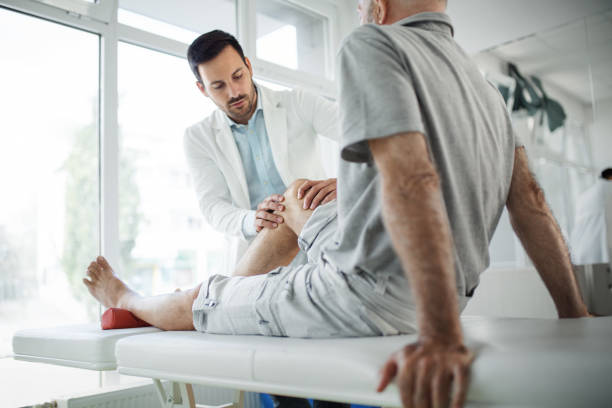
Managing Chronic Knee Pain with the Right Care
Knee pain can significantly impact your daily life, limiting mobility and affecting your ability to perform everyday activities. At PainMed, our knee pain treatments in Sydney are designed to address the underlying causes of discomfort, offering effective relief through a range of evidence-based therapies. This may include tailored exercise programs, physiotherapy, clinical Pilates to strengthen supporting muscles, hydrotherapy to reduce inflammation and improve joint movement, and guidance on adopting a healthy lifestyle to support long-term knee health.
Our targeted approach to knee pain relief begins with a comprehensive assessment of your condition, allowing us to develop a personalised treatment plan suited to your specific needs. This may involve non-invasive therapies, physical rehabilitation, image-guided injections, or advanced treatments such as platelet-rich plasma (PRP) therapy. Each treatment is carefully selected to address the root causes of your pain, ensuring a holistic and effective pathway to healing, improved mobility, and enhanced quality of life.
Individuals experiencing chronic knee pain, recent injuries, or conditions such as arthritis or cartilage degeneration can benefit from PainMed’s specialised knee pain treatments in Sydney. If you’re finding it difficult to walk, run, or climb stairs due to ongoing knee discomfort, it may be time to consult a PainMed pain management specialist. We can help you explore effective, personalised treatment options aimed at relieving pain, improving joint function, and protecting cartilage health.
Seek help today and discover how our expert treatments can improve your quality of life.
Several knee conditions can cause chronic pain, each requiring a specific treatment approach. Here’s a brief overview of some common conditions treated with chronic pain management:
01
Osteoarthritis
This is a degenerative condition where the cartilage in the knee joint progressively wears down over time. This erosion leads to chronic pain, significant swelling, and persistent stiffness in the knee. Ultimately, it can severely limit your mobility and impact your daily life.
02
Meniscus Tears
A meniscus tear involves damage to the C-shaped cartilage, which acts as a crucial cushion between your thigh bone and shin bone. These tears are often caused by twisting motions or sudden impacts to the knee. The injury can result in sharp pain, noticeable swelling, and a troubling sensation of your knee locking or giving way.
03
Patellofemoral Pain Syndrome
Often referred to as “runner’s knee,” this condition causes pain around or directly behind the kneecap. It commonly arises from overuse, muscle imbalances, or improper tracking of the kneecap during movement. This can make activities like running, jumping, or even climbing stairs quite painful.
04
Bursitis
Bursitis is characterised by the inflammation of the small, fluid-filled sacs, known as bursae, that are located around the knee joint. This painful condition frequently results from overuse, repetitive movements, or direct trauma to the knee. It typically causes localised pain, tenderness, and swelling in the affected area.
05
Rheumatoid Arthritis
This is a systemic autoimmune disorder where your body’s immune system mistakenly attacks the lining of your joints. This attack can lead to chronic inflammation, resulting in significant pain, swelling, and stiffness in the knee. Unlike osteoarthritis, it often affects both knees and can lead to joint deformity over time.
06
Iliotibial (IT) Band Syndrome
Iliotibial (IT) Band Syndrome involves the tightness or inflammation of the thick band of fibrous tissue that runs along the outside of your thigh, from your hip to just below your knee. This condition typically causes nagging pain on the outer side of the knee, which is particularly exacerbated by repetitive activities such as running, cycling, or prolonged walking.
01
Osteoarthritis
This is a degenerative condition where the cartilage in the knee joint progressively wears down over time. This erosion leads to chronic pain, significant swelling, and persistent stiffness in the knee. Ultimately, it can severely limit your mobility and impact your daily life.
02
Meniscus Tears
A meniscus tear involves damage to the C-shaped cartilage, which acts as a crucial cushion between your thigh bone and shin bone. These tears are often caused by twisting motions or sudden impacts to the knee. The injury can result in sharp pain, noticeable swelling, and a troubling sensation of your knee locking or giving way.
03
Patellofemoral Pain Syndrome
Often referred to as “runner’s knee,” this condition causes pain around or directly behind the kneecap. It commonly arises from overuse, muscle imbalances, or improper tracking of the kneecap during movement. This can make activities like running, jumping, or even climbing stairs quite painful.
04
Bursitis
Bursitis is characterised by the inflammation of the small, fluid-filled sacs, known as bursae, that are located around the knee joint. This painful condition frequently results from overuse, repetitive movements, or direct trauma to the knee. It typically causes localised pain, tenderness, and swelling in the affected area.
05
Rheumatoid Arthritis
This is a systemic autoimmune disorder where your body’s immune system mistakenly attacks the lining of your joints. This attack can lead to chronic inflammation, resulting in significant pain, swelling, and stiffness in the knee. Unlike osteoarthritis, it often affects both knees and can lead to joint deformity over time.
06
Iliotibial (IT) Band Syndrome
Iliotibial (IT) Band Syndrome involves the tightness or inflammation of the thick band of fibrous tissue that runs along the outside of your thigh, from your hip to just below your knee. This condition typically causes nagging pain on the outer side of the knee, which is particularly exacerbated by repetitive activities such as running, cycling, or prolonged walking.
04
Sciatica and Nerve-Related Pain
05
Autoimmune Diseases
Autoimmune diseases such as multiple sclerosis (MS), rheumatoid arthritis (RA), lupus, and Guillain-Barré syndrome can lead to chronic nerve pain and discomfort due to the immune system mistakenly attacking the body’s own tissues, including nerves and surrounding structures.
There are several effective treatment options available to manage knee pain, ranging from conservative methods to advanced therapies:
Physical Therapy and Rehabilitation
Targeted exercises and stretches to strengthen the muscles around the knee, improve flexibility, and restore mobility. It helps with pain relief and reduces the risk of further injury. In some cases, a pain psychologist may also be involved to help you develop coping strategies for chronic pain.
01
Knee Bracing and Support Devices
Custom-made braces or supports help offload pressure from the knee joint, providing stability and reducing pain, especially during activity.
02
When conservative approaches such as physiotherapy or lifestyle modification are not enough, advanced interventional therapies can provide targeted relief. These minimally invasive procedures aim to reduce inflammation, block pain signals, and restore knee function.
01
Genicular Nerve Blocks
An injection that targets the sensory nerves around the knee joint to provide pain relief, often used as a diagnostic step before radiofrequency treatment.
02
Genicular Nerve Radiofrequency Ablation (RFA)
Uses controlled heat to interrupt pain signals from the genicular nerves, offering longer-lasting relief for osteoarthritis and chronic knee pain.
03
Image-Guided Corticosteroid Injections
Delivering anti-inflammatory medication directly into the knee joint or surrounding structures to quickly reduce swelling and discomfort.
01
Genicular Nerve Blocks
An injection that targets the sensory nerves around the knee joint to provide pain relief, often used as a diagnostic step before radiofrequency treatment.
02
Genicular Nerve Radiofrequency Ablation (RFA)
Uses controlled heat to interrupt pain signals from the genicular nerves, offering longer-lasting relief for osteoarthritis and chronic knee pain.
03
Image-Guided Corticosteroid Injections
Delivering anti-inflammatory medication directly into the knee joint or surrounding structures to quickly reduce swelling and discomfort.
04
Viscosupplementation (Hyaluronic Acid Injections)
Pain radiating along the sciatic nerve, often caused by a herniated disc or nerve compression, can be managed with physiotherapy. Treatment includes exercises to alleviate nerve compression and reduce inflammation.
05
Intra-Articular PRP (Platelet-Rich Plasma) Therapy
03
Harnesses the body’s own growth factors to promote healing, reduce inflammation, and support cartilage regeneration.
04
Viscosupplementation (Hyaluronic Acid Injections)
Helps lubricate the joint, improving movement and reducing pain, particularly in osteoarthritis.
05
Intra-Articular PRP (Platelet-Rich Plasma) Therapy
Harnesses the body’s own growth factors to promote healing, reduce inflammation, and support cartilage regeneration.
At PainMed, we specialise in providing comprehensive knee pain treatment in Sydney. Our team of experienced chronic pain management specialists and physiotherapists collaborates to provide a personalised and effective approach to pain relief.

Experienced Pain Specialists
Our team, led by Dr. Alister Ramachandran, is skilled in diagnosing and treating a wide range of knee conditions, ensuring that you receive the best care.

Non-Surgical and Minimally Invasive Solutions
We offer a range of non-invasive treatments that help relieve pain and promote healing without the need for surgery.

Advanced Therapies
Treatments like PRP therapy and image-guided injections offer cutting-edge solutions for chronic knee pain, allowing for precise and effective care.
Experienced Pain Specialists
Our team, led by Dr. Alister Ramachandran, is skilled in diagnosing and treating a wide range of knee conditions, ensuring that you receive the best care.
Non-Surgical and Minimally Invasive Solutions
We offer a range of non-invasive treatments that help relieve pain and promote healing without the need for surgery.
Advanced Therapies
Treatments like PRP therapy and image-guided injections offer cutting-edge solutions for chronic knee pain, allowing for precise and effective care.

On-Site Diagnostics and Comprehensive Care
We provide thorough evaluations and diagnostics to ensure accurate treatment plans and optimal patient outcomes. Our on-site services ensure a seamless experience from diagnosis to treatment.

Proven Results
Our therapies are designed to improve mobility, reduce pain, and enhance your overall quality of life. Many of our patients experience significant improvement in their knee function after undergoing treatment.
On-Site Diagnostics and Comprehensive Care
We provide thorough evaluations and diagnostics to ensure accurate treatment plans and optimal patient outcomes. Our on-site services ensure a seamless experience from diagnosis to treatment.
Proven Results
Our therapies are designed to improve mobility, reduce pain, and enhance your overall quality of life. Many of our patients experience significant improvement in their knee function after undergoing treatment.
PainMed is a leading clinic in Sydney dedicated to providing reliable pain management services. We understand how debilitating chronic knee pain can be, which is why we offer a range of personalised treatment options designed to help you regain control of your life. With convenient locations in Norwest, Westmead, Blacktown, and serving the Greater Sydney area, our clinic specialises in both conservative and advanced treatments for knee pain, ensuring that we address the root causes of your discomfort.
With a team of skilled pain management specialists, physiotherapists, and support staff, we are committed to offering the best care possible. Whether you’re dealing with arthritis, an injury, or another knee condition, our goal is to help you feel better and live without pain. Our services include physical therapy, injections, and advanced therapies, such as PRP, to ensure that you receive the most effective care available.
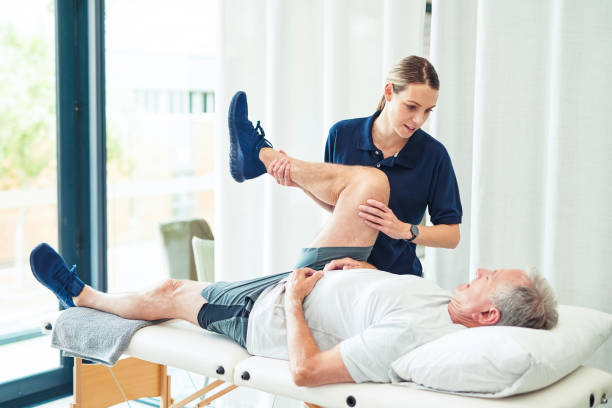
Contact us to book a session or find out how
physiotherapy can support your recovery from chronic pain.
FAQs
The most common treatments for knee pain include physical therapy, corticosteroid injections, platelet-rich plasma (PRP) therapy, hyaluronic acid injections, and knee bracing. At PainMed, we also incorporate clinical Pilates and hydrotherapy to improve joint stability, flexibility, and reduce inflammation. In addition, adopting a balanced lifestyle, including healthy eating and regular low-impact activity, plays a key role in supporting knee health, reducing pain, and promoting long-term healing and mobility.
If you experience persistent knee pain, swelling, or stiffness that limits your mobility or affects daily activities, it’s important to consult a pain management specialist. They can assess your condition and recommend the most suitable course of treatment.
Not always. Many knee pain conditions can be treated with non-surgical methods such as physical therapy, injections, or advanced therapies like PRP. Surgery is typically considered only when conservative treatments are ineffective.
Recovery time varies depending on the type of treatment and the severity of the condition. Most patients begin to experience relief within a few weeks of treatment, with ongoing improvements over time.

©2026 PainMed. All Rights Reserved. Built by Clickmatix – Digital Marketing & Web Experts
Originally from England, Sally graduated from St George’s Hospital, University of London in 2004 with a BSc (First Class Hons) in Physiotherapy. Since settling in Australia, Sally has worked in private practice and in the public hospital setting across Sydney.
Sally gained a Masters in Medicine Pain Management from the University of Sydney in 2019 and is a Titled Pain Physiotherapist (as awarded by the Australian Physiotherapy Association).
In addition to private practice, Sally currently works as a Senior Physiotherapist at Westmead Hospital Pain Management Service.
Sally is highly skilled in assessing, diagnosing and treating people who experience chronic pain. She enjoys working with injured workers and CTP claimants. She has a deep understanding of the impact of pain on the whole person and on their functioning in daily life. In partnership with her colleagues, Sally enjoys applying her knowledge and clinical skills to provide a safe space for exploration of the physical and emotional meaning of pain and for recovery of function.
Qualifications and Experience


 Optimized by Seraphinite Accelerator