 Skip to content
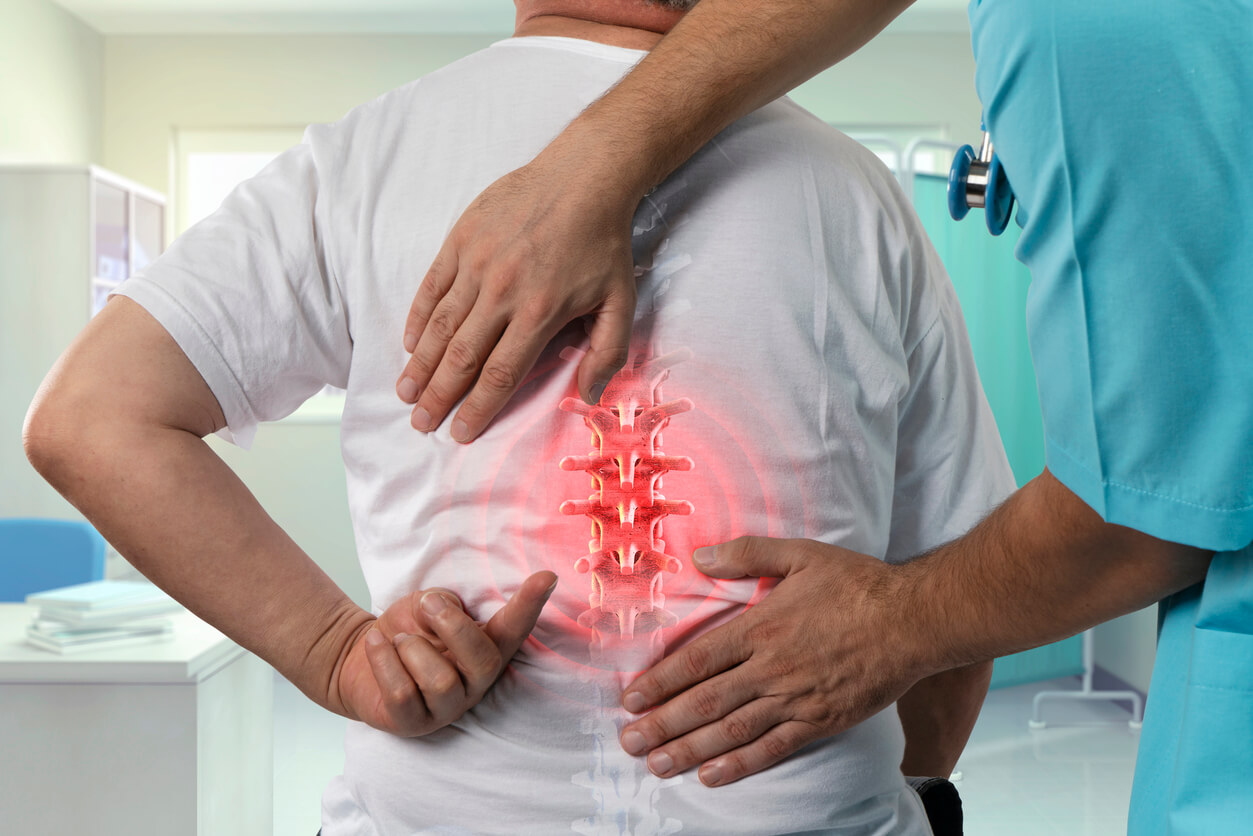
For years, many Australians believed that if back pain became serious enough, surgery was the only real solution. That thinking is quickly changing. In 2026, non-surgical back pain treatment has evolved into a far more advanced, patient-focused approach, offering effective relief without the risks, recovery time, or uncertainty that come with surgery.
Specialists no longer rely on one-size-fits-all methods. They combine targeted therapies, guided rehabilitation, and modern pain management techniques to treat the root cause of discomfort. Clinics like PainMed in Sydney are leading this shift, focusing on personalised care plans that adapt to each patient’s condition, lifestyle, and recovery goals.
This post highlights the most effective non-surgical back pain treatments available in 2026, including causes, treatment options, timelines, and what patients can expect from professional care.
Why Surgery Is Rarely the First Answer
Most patients visiting a pain management clinic are surprised to learn that surgery is always a last resort. Disc problems, nerve compression, and muscle strain respond well to conservative care when treated early. Non-surgical back pain treatment in Sydney gives patients the safest, most effective path to recovery without unnecessary surgical risks.
Common Causes of Back Pain You Should Not Ignore
Understanding what is driving your back pain is the foundation of effective treatment. The most common causes seen at the Sydney clinic include:
- Herniated or bulging discs that place pressure on nearby nerves
- Muscle strain or ligament injury from poor posture, lifting, or sudden movement
- Sciatica, which produces pain that travels from the lower back down the leg
- Degenerative disc disease associated with age-related wear and tear.
- Facet joint pain caused by inflammation of the small joints in the spine
Each of these conditions responds to different treatment approaches, which is why accurate diagnosis always comes before treatment planning at PainMed.
The Most Effective Non-Surgical Treatments for Back Pain
There is no single solution that works for every patient, but the following treatments have strong clinical backing and consistently deliver results:
- Physical Therapy strengthens the muscles that support the spine, improves posture, and reduces pressure on injured structures. Both land-based and hydrotherapy options are available depending on your condition.
- Interventional Pain Procedures, such as epidural steroid injections, nerve blocks, and radiofrequency ablation target the precise source of pain with imaging-guided accuracy. Advanced interventional therapies like neuromodulation are also considered when patients have failed surgical management.
- Medications, including anti-inflammatory drugs, muscle relaxants, and nerve pain medications, help bring pain levels down so patients can engage in rehabilitation more effectively.
- Pain Psychology and CBT address the way the brain processes persistent pain, which plays a bigger role in recovery than most patients realise.
- Lifestyle Modifications covering sleep quality, physical activity, weight management, and smoking cessation directly influence how quickly and completely patients recover.
The best outcomes in non-surgical back pain treatment come from combining two or more of these approaches into a personalised care plan.
What to Expect From Your First Appointment at PainMed Sydney
Many patients delay seeking help because they are unsure what a specialist visit involves. At PainMed Sydney, your specialist will review your medical history, understand factors that may be contributing to your pain, and assess daily impact. Imaging may be recommended if needed. From there, a structured back pain management plan is created around your specific goals.
Which Treatment Is Right for You?
The right approach to non-surgical back pain treatment depends on several factors, including how long you have had pain and what is causing it.
- Acute back pain lasting under six weeks responds quickly to physiotherapy, short-term medication, and activity modification.
- Chronic back pain lasting more than three months requires a broader, multidisciplinary plan that includes psychological support and interventional options.
- Nerve-related pain, such as sciatica, benefits most from targeted injections combined with guided rehabilitation.
- Structural issues like a herniated disc may respond well to a combination of interventional procedures and physical therapy before any surgical option is considered.
Getting the right diagnosis from a qualified pain management clinic in Sydney is the most important first step.
How Long Does Non-Surgical Back Pain Treatment Take?
This is the most common question patients ask, and the honest answer depends on the type and duration of pain:
- Acute back pain improves within four to eight weeks with consistent, appropriate treatment.
- Chronic back pain requires a longer management approach, three to six months, with gradual progress along the way.
- Post-injection relief from interventional procedures can be felt within days to a few weeks, helping patients participate more actively in rehabilitation.
Starting treatment early always leads to faster and more complete recovery. Leaving back pain unmanaged rarely results in spontaneous resolution and makes recovery more challenging.
How PainMed Supports Non-Surgical Back Pain Treatment in Sydney
At PainMed Sydney, our team of pain specialists, physiotherapists, exercise physiologists, and pain psychologists work together to treat back pain from every angle. Every patient receives a personalised back pain management plan based on their diagnosis, lifestyle, and recovery goals.
We focus on helping you improve mobility, restore function and avoid surgery wherever possible. Book a consultation with PainMed Sydney today and take the first step toward lasting relief.
Non-surgical back pain treatment has come a long way, and Sydney patients now have access to genuinely effective options that can make a lasting difference. Whether you are dealing with a new injury or years of chronic pain, early specialist input gives you the best chance of a strong recovery. Don’t let pain limit your life any longer. Call 02 8999 1054 to book your consultation and start your recovery journey.
Frequently Asked Questions
-
What is the most effective non-surgical back pain treatment?
A combination of physical therapy and targeted interventional procedures delivers the best results. A pain specialist will recommend the right approach based on your specific diagnosis and recovery goals.
-
Can a herniated disc heal without surgery?
Yes, many herniated discs improve with physiotherapy, guided exercise, and interventional injections. Surgery is considered when non-surgical back pain treatment has not delivered sufficient relief over time.
-
How long does non-surgical back pain treatment take to work?
Acute back pain improves within four to eight weeks. Chronic pain requires three to six months of consistent treatment, with gradual improvement throughout the back pain management process.
-
When should I see a pain specialist in Sydney?
If back pain has lasted for more than six weeks, is disrupting sleep or work, or has not improved with basic care, visiting a pain management clinic in Sydney is recommended.
-
Does Medicare cover non-surgical back pain treatment in Australia?
Medicare covers specialist consultations and many pain management procedures in Australia. Contact PainMed Sydney directly for a clear breakdown of your specific coverage and out-of-pocket costs.




 02 8999 1054